Unlocking Productivity Secrets Through Smart Assembly Fixture Design
The Role of Assembly Fixtures in Modern Manufacturing
Understanding Assembly Fixtures and Their Importance
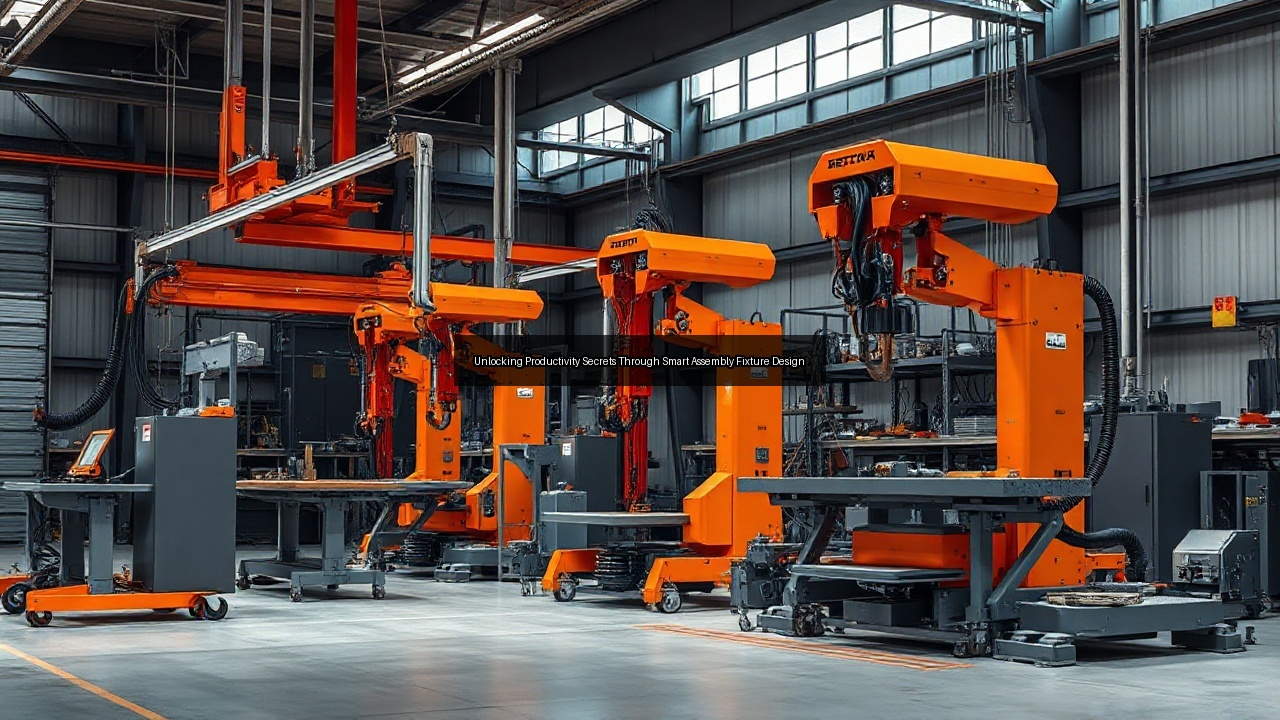
Assembly fixtures serve as a critical component in the manufacturing landscape, offering a stable platform for assembling parts and components into final products. These fixtures ensure that every piece is positioned accurately, which is vital for maintaining quality control and consistency in production processes. By providing the necessary support and alignment, assembly assemblies tools assembly fixtures reduce the likelihood of errors, ultimately enhancing the overall efficiency of manufacturing operations. They play an essential role in various industries, especially where precision is paramount, such as automotive, aerospace, and electronics. The integration of assembly fixtures into production workflows minimizes downtime and streamlines assembly processes, leading to improved productivity and reduced operational costs.
How Assembly Fixtures Enhance Productivity in the Automotive Industry
The automotive industry exemplifies the importance of assembly fixtures in boosting productivity. Modern vehicles consist of thousands of components, and ensuring precise assembly is crucial for functionality and safety. Assembly fixtures streamline the process by facilitating quick and accurate placement of parts during assembly. For instance, jigs designed for welding or soldering operations eliminate guesswork, allowing workers to focus on their tasks rather than positioning components. The use of fixtures also shortens cycle times, enabling manufacturers to produce more vehicles within the same timeframe. Moreover, ergonomic designs reduce strain on workers, enhancing their comfort and efficiency, further driving productivity in automotive assembly lines.
The Impact of Fixture Design on Tooling Efficiency
Fixture design directly influences tooling efficiency, impacting the overall manufacturing process. When fixtures are designed with precision, they enhance the effectiveness of tools used for machining, drilling, or milling operations. A well-designed fixture ensures that tools maintain optimal contact with components, reducing wear and tear while increasing the lifespan of tooling equipment. Furthermore, innovative designs can accommodate multiple operations within a single setup, decreasing the need for frequent adjustments and reconfigurations. This streamlined approach not only saves time but also minimizes material waste, ultimately contributing to cost savings. The synergy between effective fixture design and tooling efficiency propels manufacturing operations toward higher productivity levels.
Innovative Design Techniques for Assembly Fixtures
Leveraging 3D Printing for Custom Fixture Solutions
3D printing revolutionizes the design and production of assembly fixtures, allowing for customized solutions that meet specific manufacturing needs. This technology enables rapid prototyping, so engineers can quickly iterate designs and test their effectiveness in real-world scenarios. The flexibility of 3D printing means that manufacturers can create complex geometries that traditional machining methods cannot achieve, resulting in fixtures that fit precisely within their assembly environments. Additionally, 3D printed fixtures often have reduced lead times, allowing companies to adapt to changing production demands swiftly. This adaptability enhances the overall agility of manufacturing operations, ensuring that firms remain competitive in a fast-paced market.
Best Practices for Designing Jigs and Fixtures
Implementing best practices in the design of jigs and fixtures can significantly improve assembly efficiency. First, designers should focus on simplicity; a straightforward design minimizes the chances of errors during assembly. Incorporating features that allow for easy adjustments can also enhance flexibility, accommodating various components without the need for entirely new fixtures. Ergonomics plays a crucial role; fixtures should be designed to facilitate easy access for operators, reducing physical strain and fatigue. Additionally, integrating alignment features such as dowel pins or locating fixtures ensures precise positioning of parts, which is essential for quality control. Following these best practices helps create robust, efficient, and user-friendly assembly fixtures.
Integrating Software Tools for Fixture Layout Optimization
Utilizing software tools for fixture layout optimization offers manufacturers a significant advantage. Advanced simulation software aids in visualizing fixture designs before physical production, allowing for the identification of potential issues and inefficiencies. This preemptive approach can save both time and resources by reducing the need for costly revisions. Additionally, software solutions provide data-driven insights, enabling engineers to make informed decisions about fixture configurations and materials. By analyzing workflow and component interactions, manufacturers can optimize layouts to enhance accessibility and minimize cycle times. The integration of software tools into the design process represents a forward-thinking approach that aligns with the demands of modern manufacturing.
Material Considerations and Cost Efficiency
Choosing the Right Materials: Diamond vs. Standard Fixtures
The choice of materials in assembly fixture design significantly impacts both performance and cost. Diamond-coated fixtures offer exceptional hardness and wear resistance, making them ideal for high-precision applications. While these fixtures may come with a higher initial investment, their longevity and reduced maintenance needs can lead to substantial cost savings in the long run. On the other hand, standard fixtures made from traditional materials may be more economical upfront but may require frequent replacement, leading to increased operational costs. Evaluating the specific requirements of the manufacturing process allows engineers to make informed material choices that balance performance and budgetary constraints.
Cost Implications of Using 3D Printed Fixtures
3D printed fixtures introduce both opportunities and challenges in terms of cost. While initial costs for 3D printing can be high due to technology and material expenses, the ability to produce custom fixtures quickly can lead to significant savings over time. Manufacturers can avoid the lengthy lead times associated with traditional fixture production, allowing for faster implementation of new designs. Additionally, 3D printing reduces material waste, as it uses additive manufacturing techniques that only create what is necessary. However, it’s crucial to assess the durability of 3D printed materials, as some may not withstand the rigors of high-volume production. A thorough cost-benefit analysis will help manufacturers determine the most efficient path forward.
Evaluating Heat Resistance in Fixture Design
Heat resistance plays an essential role in the design of assembly fixtures, particularly in environments involving high-temperature processes like welding and soldering. Fixtures must withstand thermal stresses without warping or degrading, which could compromise assembly accuracy. Selecting materials with high-temperature resistance ensures that fixtures maintain their integrity during production. Factors such as thermal expansion must also be considered; different materials expand at varying rates, potentially leading to misalignment issues. By prioritizing heat resistance in fixture design, manufacturers can enhance durability and reliability, ensuring that their fixtures perform optimally even under challenging conditions.
Advanced Technologies in Assembly Fixture Design
The Role of SLS in Creating High-Precision Fixtures
Selective Laser Sintering (SLS) technology has emerged as a game-changer in the production of high-precision assembly fixtures. SLS utilizes a laser to fuse powdered materials layer by layer, creating robust and intricate designs that meet stringent quality standards. This technology allows for the production of fixtures that not only meet precise dimensional tolerances but also possess excellent mechanical properties. SLS fixtures can incorporate complex geometries that traditional manufacturing methods cannot produce, enabling manufacturers to optimize their assembly processes. As industries continue to demand greater precision and efficiency, SLS will play an increasingly important role in fixture design.
Future Trends: Automation and Smart Fixtures in Manufacturing
The future of assembly fixture design lies in automation and smart technology integration. Smart fixtures equipped with sensors and data analytics capabilities can provide real-time feedback during manufacturing processes. These fixtures can monitor assembly accuracy, detect misalignments, and even suggest adjustments, enhancing overall productivity. Automation in fixture production reduces labor costs and minimizes human error, leading to improved consistency and quality. As manufacturers adopt Industry 4.0 principles, the use of smart fixtures will become integral to achieving higher levels of efficiency and responsiveness in manufacturing operations.
Exploring the Benefits of Threaded Inserts in Fixture Design
Threaded inserts offer significant advantages in assembly fixture design, particularly in applications requiring frequent adjustments or component changes. These inserts provide robust anchoring points, allowing for easy swapping of tools or fixtures without compromising structural integrity. Utilizing threaded inserts simplifies maintenance and enhances the versatility of fixtures, enabling manufacturers to adapt quickly to changing production needs. This adaptability is crucial in high-paced environments where efficiency and flexibility are paramount. Additionally, threaded inserts can help distribute loads evenly, reducing stress on the fixture material and extending its lifespan. Embracing threaded inserts in fixture design paves the way for more dynamic and efficient manufacturing processes.