The Science Behind Electropolishing and Its Impact on Surface Finish
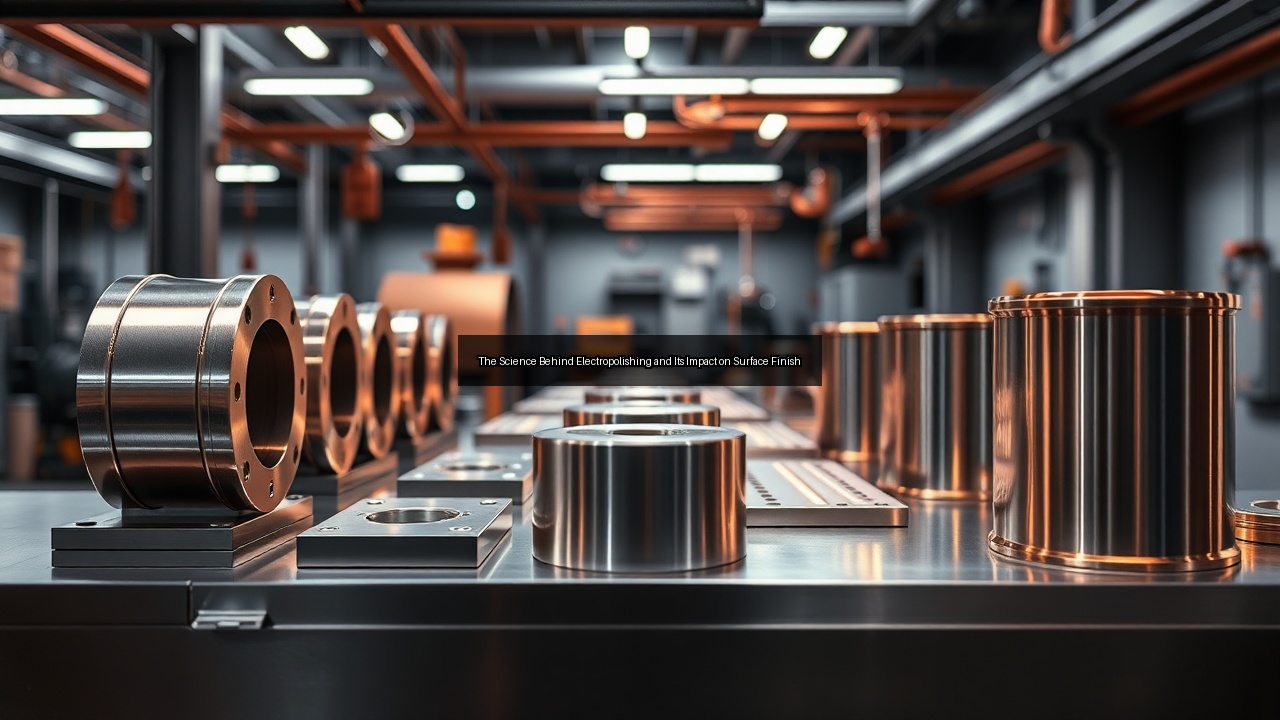
Understanding Electropolishing
What is Electropolishing?
Electropolishing removes material from metal surfaces through anodic dissolution in an electrolyte bath. Manufacturers submerge stainless steel products in a controlled solution and apply electrical current to dissolve microscopic peaks. This action levels the surface and produces a bright, smooth finish without mechanical abrasion. Engineers rely on electropolishing stainless steel services to treat complex geometries that traditional polishing cannot reach evenly. The process eliminates embedded contaminants and leaves a passive layer that enhances overall performance. Fabricators in multiple sectors specify electropolished components because the method consistently delivers repeatable results across batches of stainless steels.
Operators monitor voltage, temperature, and time to control the amount of material removed. Typical removal rates range from 0.0002 to 0.0005 inches, depending on alloy and desired outcome. The technique works on both small precision parts and large fabricated assemblies. Users report immediate improvements in cleanability and reduced particle generation after treatment. Electropolishing stainless steel also prepares surfaces for subsequent coatings or welding by creating a uniform base. Many manufacturers integrate this step into production lines to meet strict surface finish specifications without secondary operations.
The Chemistry of Electropolishing
Electropolishing relies on an electrolyte mixture containing phosphoric and sulfuric acids that conduct current and facilitate metal ion removal. When current flows, the stainless steel acts as the anode, and metal atoms oxidize and dissolve into the solution. Oxygen evolves at the surface and helps form a thin oxide film that protects the remaining material. This electrochemical action preferentially attacks high points, smoothing the topography at the atomic level. The chemistry must stay balanced to prevent pitting or etching on stainless steels.
Technicians adjust acid concentration and temperature to match specific alloys. Additives control foam, improve throwing power, and stabilize the bath over extended production runs. Proper chemistry prevents hydrogen embrittlement and maintains the corrosion resistance of the base metal. Regular analysis of the electrolyte ensures consistent electropolishing stainless steel services. Spent solution undergoes treatment to recover metals and neutralize waste before disposal. Understanding these chemical interactions allows providers to optimize cycles for different stainless steel grades and achieve predictable surface finish results every time.
The Process of Electropolishing Stainless Steel
The sequence begins with thorough cleaning to remove oils, oxides, and particulates from stainless steel products. Parts then enter the electropolishing tank where racks or fixtures hold them at precise orientations. Current application lasts from minutes to nearly an hour, depending on initial roughness and target finish. Agitation and filtration keep the electrolyte fresh around each surface. After the cycle, operators rinse parts multiple times to eliminate residual acids and prevent staining.
Final passivation in nitric or citric acid solutions reinforces the natural oxide layer. Inspection includes visual checks, profilometer readings, and sometimes microscopic examination to verify surface finish quality. Electropolishing stainless steel services often combine this treatment with deburring to eliminate sharp edges created during machining. The entire workflow operates under controlled environmental conditions to protect both workers and parts. Documentation of parameters allows manufacturers to replicate successful results across future orders of similar stainless steels.
Benefits of Electropolishing Stainless Steel
Enhanced Surface Finish
Electropolishing produces a mirror-like surface finish that reduces roughness average values to below 10 microinches on many stainless steel grades. The electrochemical action removes microscopic peaks while preserving valleys, creating a planar topography that reflects light uniformly. This level of smoothness improves light transmission in optical components and reduces friction in moving assemblies. Manufacturers notice fewer tool marks and scratches compared with mechanical polishing methods. The finish also lowers surface energy, which discourages adhesion of contaminants.
Engineers measure improvement using contact and non-contact profilometers before and after treatment. Consistent surface finish across complex internal passages and external contours sets electropolishing apart from abrasive techniques. Stainless steel products treated this way exhibit reduced turbulence in fluid flow applications and easier release in molding operations. The process works equally well on 304 and 316L alloys, delivering the same high-quality appearance. Many fabricators now request electropolishing stainless steel services as the final step to meet aesthetic and functional requirements without additional buffing.
Improved Corrosion Resistance
Electropolishing enhances corrosion resistance by removing surface layers that contain embedded iron particles and machining stresses. The resulting chromium-rich passive film resists pitting and crevice corrosion more effectively than untreated stainless steels. Studies show electropolished surfaces withstand chloride environments longer than mechanically polished equivalents. The uniform removal of material eliminates crevices that could trap moisture and initiate corrosion cells. Manufacturers of pharmaceutical equipment and marine hardware specify electropolished parts to extend service life.
The process also reduces the risk of rouging in high-purity water systems by creating a stable oxide layer. Regular electropolishing stainless steel services restore corrosion performance after welding or fabrication operations disturb the original passive film. Users report lower maintenance costs and fewer replacement cycles when components receive this treatment. The improvement applies across temperature ranges typical in food processing and chemical handling. Proper post-treatment rinsing ensures no electrolyte residues compromise the newly formed passive layer on stainless steel products.
Applications in Engineering and Manufacturing
Electropolishing supports critical functions in semiconductor equipment where ultra-clean surfaces prevent particle contamination during wafer processing. Aerospace manufacturers treat stainless steel fasteners and fittings to reduce galling and improve fatigue life. Medical device companies electropolish surgical instruments and implants to achieve biocompatibility and ease of sterilization. Food and beverage producers rely on electropolished tanks and piping to maintain hygiene standards and simplify clean-in-place procedures.
Engineering teams integrate electropolishing stainless steel services into design specifications for valves, pumps, and heat exchangers. The treatment improves sealing surfaces and reduces leakage rates in high-pressure systems. Automotive suppliers apply it to exhaust components for better appearance and oxidation resistance. The versatility across industries stems from the ability to treat both small precision parts and large fabricated assemblies with equal effectiveness. Manufacturers document performance gains through accelerated corrosion testing and field trials that confirm the practical advantages of electropolished stainless steel.
Factors Influencing Electropolishing Outcomes
Material Selection: Why 316L Stainless Steel?
316L stainless steel offers superior results in electropolishing because its low carbon content minimizes carbide precipitation during processing. The molybdenum addition further boosts resistance to pitting in aggressive electrolytes. Fabricators choose 316L for medical and semiconductor applications where trace elements must remain controlled. The alloy responds predictably to current density variations, allowing operators to achieve tight surface finish tolerances. Electropolishing stainless steel services frequently specify 316L when customers demand both corrosion performance and aesthetic quality.
Compared with 304, 316L maintains higher chromium availability at the surface after material removal. This characteristic produces a more stable passive film once the part exits the bath. Heat-affected zones from welding also electropolish cleanly on 316L without introducing new defects. Many manufacturers stock 316L sheet, tube, and bar specifically for projects that will undergo electropolishing. The material’s consistent behavior across different heats reduces process variation and helps service providers deliver uniform outcomes on every batch of stainless steel products.
Impact of Surface Preparation on Results
Initial surface condition directly affects how much material electropolishing must remove to reach the target finish. Parts with deep scratches or heavy scale require longer cycle times and may need preliminary grinding. Proper deburring before tank entry prevents sharp edges from causing uneven current distribution. Cleaning with alkaline solutions removes oils that could shield areas from the electrolyte. Manufacturers who invest in consistent incoming surface quality see faster throughput and lower rejection rates from their electropolishing stainless steel services.
Profilometer data collected before and after preparation helps operators set accurate parameters. Residual stresses from prior machining can influence dissolution rates if not relieved. Some facilities combine vibratory finishing with electropolishing to optimize total processing time. The goal remains uniform material removal that leaves no evidence of previous operations. Thorough preparation also protects tank chemistry from contamination that could shorten bath life. Attention to these details ensures stainless steel components exit the process with the intended surface finish and corrosion resistance.
The Role of Heat Treating in Electropolishing
Heat treating before electropolishing alters the microstructure of stainless steels and can change dissolution behavior. Solution annealing dissolves carbides and restores corrosion resistance, allowing subsequent electropolishing to create a cleaner surface. Parts that undergo hardening treatments may require adjusted voltage settings to avoid overheating during the electrochemical cycle. Stress relieving minimizes distortion that could occur when material removal shifts internal forces. Manufacturers coordinate heat treating and electropolishing stainless steel services to achieve both mechanical properties and surface finish targets.
Post-weld heat treatment followed by electropolishing restores passivity in heat-affected zones. Controlled atmospheres during heat treating prevent scale formation that would otherwise increase material removal needs. Documentation of temperature and time parameters allows service providers to predict how each lot will respond in the electropolishing tank. Proper sequencing prevents the formation of undesirable phases that resist uniform polishing. The combined approach delivers stainless steel products that meet both dimensional and surface specifications demanded by engineering teams.
Electropolishing Services: What to Expect
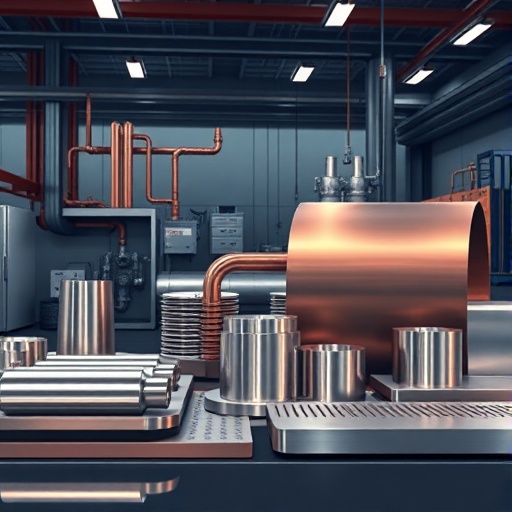
Choosing the Right Electropolishing Service Provider
Selection begins with verification that the provider maintains current process certifications and documented quality systems. Experienced operators demonstrate knowledge of multiple stainless steel grades and can recommend parameters for specific applications. Facility tours reveal tank capacities, filtration systems, and waste treatment capabilities that affect turnaround and consistency. References from similar industries confirm the provider’s ability to deliver repeatable surface finish results. Clear communication about part quantities, sizes, and required documentation streamlines the quoting process for electropolishing stainless steel services.
Providers that offer in-house testing and inspection reduce the risk of out-of-specification parts reaching the customer. Flexible scheduling accommodates both prototype runs and production volumes. Technical support during design reviews helps engineers optimize geometry for the electropolishing process. Long-term partnerships often yield process improvements that lower costs while maintaining quality. Evaluating these factors ensures the chosen service provider can handle the full range of stainless steel products submitted for treatment.
Common Industries Utilizing Electropolishing
Semiconductor manufacturers depend on electropolishing to create particle-free surfaces inside vacuum chambers and gas delivery systems. Pharmaceutical companies treat piping and vessels to meet USP and FDA cleanability requirements. Aerospace firms specify electropolished fittings for hydraulic and fuel systems where corrosion resistance directly affects safety. Food processing equipment builders use the process on mixers and conveyors to eliminate bacterial harborage points. Each sector values the combination of improved surface finish and enhanced corrosion resistance that electropolishing stainless steel services provide.
Medical device companies electropolish guide wires, cannulas, and orthopedic implants to achieve the smoothness required for tissue contact. Research laboratories treat stainless steel fixtures to reduce outgassing and contamination in sensitive experiments. The process also serves nuclear and power generation applications where surface defects could initiate stress corrosion cracking. Widespread adoption across these demanding fields reflects the reliability of electropolished stainless steel components under extreme operating conditions. Continued growth in high-purity manufacturing sustains demand for qualified electropolishing providers.
Cost Considerations for Electropolishing Stainless Steel
Pricing depends on part size, quantity, surface area, and initial condition. Larger or more complex geometries require custom fixturing that increases setup costs. High volumes allow providers to optimize rack loading and reduce per-piece pricing for electropolishing stainless steel services. Material grade influences cycle time because some alloys dissolve at different rates. Customers who supply parts with consistent incoming quality avoid extra preparation charges. Quotes typically include incoming inspection, processing, rinsing, passivation, and final packaging.
Long-term savings arise from reduced maintenance, longer component life, and fewer rejects in downstream assembly. Some manufacturers amortize electropolishing costs across product warranties that highlight improved corrosion resistance. Comparing total cost of ownership against alternative finishing methods often favors electropolishing for critical stainless steel products. Transparent providers supply detailed breakdowns that help engineering teams justify the investment. Regular process audits and volume commitments further stabilize pricing for ongoing production needs.
See Also
- Electropolishing Services Demystified Your Guide to Stainless Steel Finishing
- The Role of Electropolishing in Semiconductor Manufacturing Processes
- From Heat Treating to Electropolishing How to Achieve Superior Metal Finishes
- Choosing the Right Electropolishing Service for Your Stainless Steel Needs