Key Factors That Affect the Performance of Industrial Lubricants
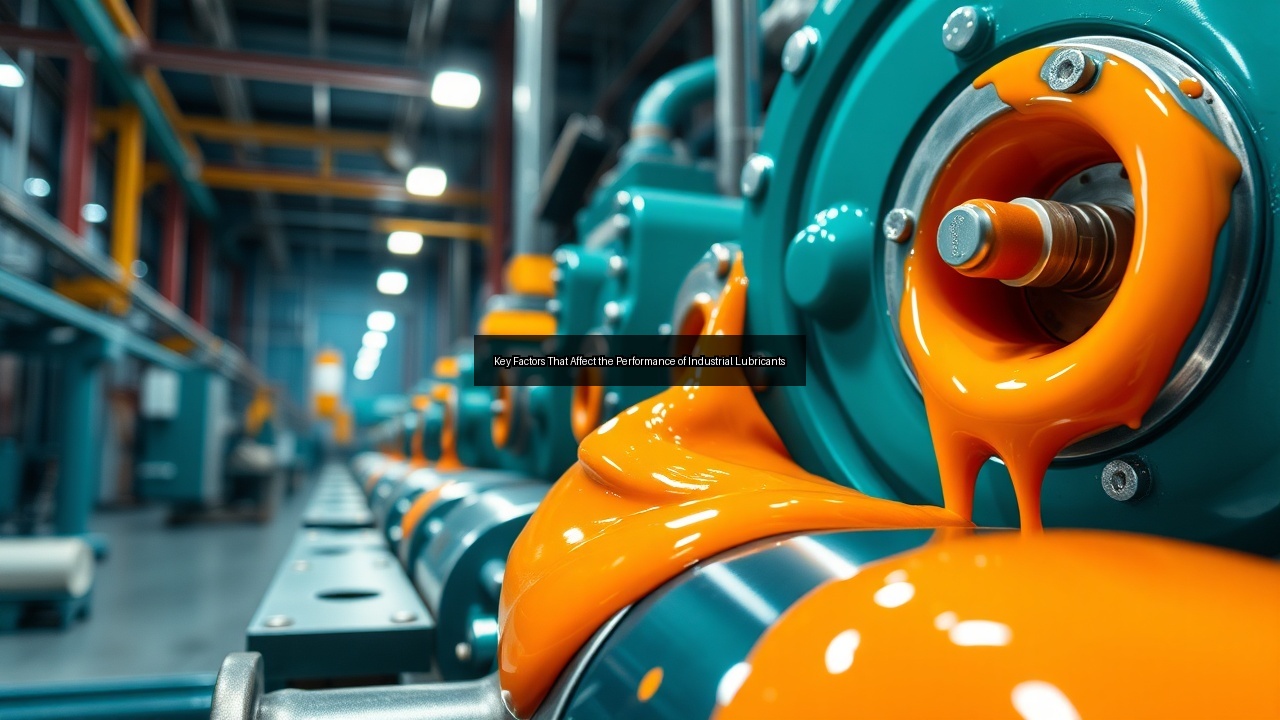
Understanding Industrial Lubrication Grease
What is Industrial Lubrication?
Industrial lubrication refers to the application of lubricants in machinery and equipment to minimize friction, reduce wear, and improve efficiency. This process involves using various substances that create a protective film between moving parts, allowing them to operate smoothly. Proper industrial lubrication is essential for maintaining equipment reliability and longevity. Without adequate lubrication, machines can suffer from increased wear and tear, leading to costly downtimes and repairs. The choice of lubricants greases plays a crucial role in ensuring operational efficiency across various industrial applications, from manufacturing to heavy machinery.
The Role of Greases in Industrial Applications
Greases serve as a vital component in industrial lubrication, acting as a barrier against contaminants and providing superior protection for machinery. Unlike oils that can leak or evaporate, greases maintain their consistency and adhere to surfaces, ensuring a long-lasting lubricating effect. In high-load or high-temperature environments, greases offer enhanced stability and protection. They also prevent corrosion and rust, which can damage mechanical components. The role of grease lubricants extends beyond mere friction reduction; they contribute to the overall health of the machinery, ensuring optimal performance and extending equipment life.
Types of Industrial Greases
Industrial greases come in various formulations tailored to specific applications and environments. Common types include lithium-based greases, known for their excellent thermal stability and water resistance, and calcium-based greases, which provide good adhesion and are often used in wet conditions. Synthetic greases offer superior performance in extreme temperatures and chemical exposures, making them suitable for specialized applications. Additionally, biodegradable greases have gained popularity due to their environmental benefits. Each type of grease has unique properties that influence its effectiveness in reducing friction and wear, making the selection of the appropriate grease critical for industrial lubrication.
Key Factors Influencing Performance
Viscosity and Its Importance
Viscosity plays a significant role in the performance of industrial lubrication grease. It refers to the thickness or resistance to flow of the lubricant, impacting how well it can reduce friction between moving parts. A lubricant with optimal viscosity ensures that it forms a stable film that separates surfaces under varying load conditions. Low-viscosity lubricants may not provide sufficient protection in high-load scenarios, while excessively thick greases can impede movement and increase energy consumption. Understanding the viscosity requirements for specific applications allows engineers to select greases that enhance machinery performance and efficiency.
Temperature and Environmental Conditions
Temperature directly influences the effectiveness of industrial lubricants. Each grease formulation has a specified operating temperature range; exceeding this range can lead to degradation of the lubricant, causing it to lose its protective qualities. High temperatures can cause greases to thin out, while low temperatures can make them too viscous, hindering their ability to flow and lubricate effectively. Environmental conditions, such as humidity and exposure to contaminants like soil, further complicate lubrication strategies. It’s essential to consider these factors when selecting lubricants to ensure optimal performance in specific industrial settings.
Friction and Wear Reduction Mechanisms
Reducing friction and wear is the primary function of industrial lubrication grease. Various mechanisms contribute to this reduction, including the formation of a hydrodynamic lubricating film that separates contact surfaces. This film prevents direct metal-to-metal contact, significantly lowering wear rates. Additionally, some greases contain extreme pressure additives that further enhance protection under high-stress conditions. The chemistry of the grease also plays a role; certain formulations can react with metal surfaces to create protective layers that minimize wear. By understanding these mechanisms, industries can select the most effective lubricants to enhance machine reliability and performance.
Selection and Application of Industrial Lubricants
Choosing the Right Grease for Your Machinery
Selecting the appropriate industrial grease is crucial for ensuring the longevity and efficiency of machinery. Factors to consider include the operating environment, load conditions, and compatibility with materials. For high-speed applications, a low-viscosity grease may be more effective, while high-load environments might require a thicker formulation. Additionally, understanding the specific requirements of the machinery, such as temperature and exposure to contaminants, aids in making the right choice. Consulting product datasheets and manufacturer recommendations can provide insights into the best grease lubricants for each application, ultimately leading to enhanced performance and reduced maintenance costs.
The Impact of Soil and Contaminants on Lubrication
Soil and other contaminants significantly impact the effectiveness of industrial lubricants. When contaminants enter the lubrication system, they can compromise the protective film created by the grease, leading to increased friction and wear. Dust, dirt, and moisture can mix with the lubricant, causing it to lose its lubricating properties. Therefore, implementing effective sealing solutions and regular maintenance practices is essential to preserve the integrity of the grease. Monitoring lubrication systems for signs of contamination allows for timely interventions, ensuring that the machinery operates smoothly and efficiently, thereby preventing costly breakdowns.
Best Practices for Greasing and Maintenance
Adopting best practices for greasing and maintenance ensures optimal performance of industrial lubricants. Regularly scheduled lubrication intervals help maintain the protective film and prevent breakdown of the grease. Using the correct quantity of lubricant is equally important; too much grease can cause overheating, while too little can lead to insufficient protection. Employing a mechanical lubricator can automate the greasing process, ensuring consistent application. Additionally, keeping detailed records of lubrication activities can aid in identifying patterns and optimizing maintenance schedules. These practices enhance equipment reliability, reduce downtime, and maximize the lifespan of machinery.
Future Trends in Industrial Lubrication
Innovations in Grease Lubricants
The field of industrial lubrication continues to evolve with advancements in technology and formulation. Innovations in grease lubricants focus on improving performance characteristics, such as temperature stability and resistance to oxidation. New additive technologies enhance the protective capabilities of greases, making them more effective in high-stress environments. Additionally, the development of nanotechnology-based lubricants promises to reduce friction at a microscopic level, further improving efficiency. These innovations not only extend the life of lubricants but also contribute to sustainability by reducing energy consumption in industrial processes.
Sustainability in Industrial Lubricants
Sustainability has become a priority in the manufacturing sector, and industrial lubricants are no exception. The demand for biodegradable greases and environmentally friendly formulations is on the rise. Manufacturers are investing in research to create lubricants that minimize environmental impact without sacrificing performance. This shift towards sustainable products aligns with global initiatives to reduce carbon footprints and promote responsible manufacturing practices. Implementing these sustainable lubricants not only benefits the environment but also enhances corporate responsibility and brand reputation in the marketplace.
Automation in Greasing Processes
Automation is transforming the greasing processes in industrial settings. Automated lubrication systems ensure consistent and precise application of greases, minimizing human error and enhancing efficiency. These systems can be programmed to deliver the right amount of lubricant at the right intervals, optimizing machinery performance. Automation also facilitates remote monitoring, allowing for real-time data collection on lubrication needs. This data-driven approach enables predictive maintenance, reducing the risk of equipment failure and prolonging the life of machinery. As industries continue to embrace automation, the role of lubricants in maintaining operational efficiency will become increasingly vital.
See Also
- Best Practices for Applying Industrial Greases in Your Operations
- The Hidden Costs of Neglecting Proper Greasing in Manufacturing
- A Comprehensive Guide to Understanding Industrial Lubricants
- Grease vs Oil which Lubricant is Best for Your Industrial Needs
- Demystifying the Different Types of Industrial Lubrication Greases