Innovative Applications of Machined Plastics in Robotics
Understanding Machined Plastics in Robotics
What are Machined Plastic Components?
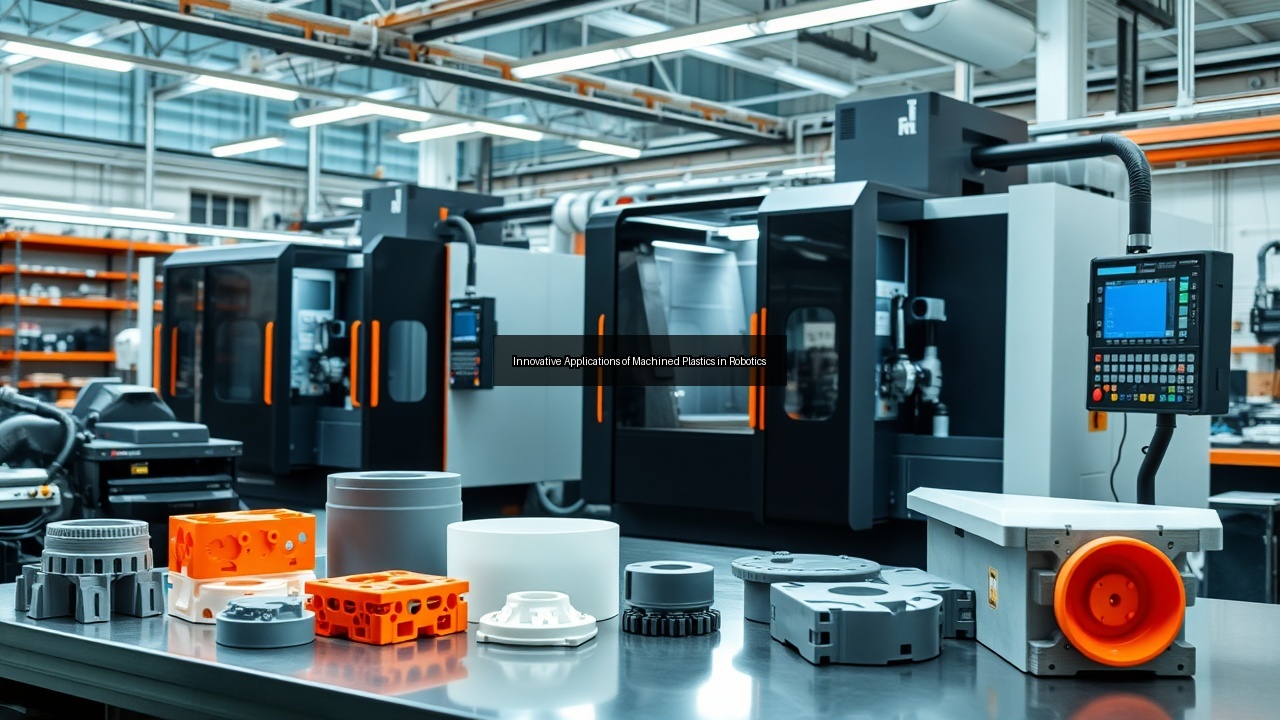
Machined plastic components refer to parts fabricated from engineered plastics through processes like CNC machining. These components have gained significant traction in robotics due to their adaptability and performance characteristics. Unlike traditional materials like metals, machined plastics can be precisely shaped to meet stringent specifications while offering a lightweight alternative. The flexibility of plastic machining allows for complex geometries and intricate designs that enhance the functionality of robotic systems, making them an ideal choice for both prototyping and production runs. With options ranging from high-performance polymers to standard engineering plastics, manufacturers tailor solutions to specific robotic applications, ensuring optimal performance and durability.
The Role of Engineering Plastics in Robotics
Engineering cnc machined plastic parts plastics play a pivotal role in the robotics sector. These materials possess superior mechanical properties, including high strength-to-weight ratios, excellent chemical resistance, and thermal stability. For instance, materials like polycarbonate and nylon are commonly utilized due to their impact resistance and fatigue endurance, crucial for robotic applications that encounter dynamic stresses. Moreover, engineering plastics provide designers with the versatility needed to create lightweight components without compromising strength. This capability results in robots that operate more efficiently and with lower energy consumption, further enhancing their utility in various settings, from manufacturing to medical applications.
Benefits of Using Machined Plastics over Metals
Choosing machined plastics over metals offers numerous advantages. First and foremost, weight reduction significantly impacts a robot's performance. Lightweight components facilitate faster movements and reduce energy consumption. Additionally, plastic components exhibit excellent corrosion resistance, which is paramount in environments where exposure to moisture or chemicals is common. Machined plastics also provide better electrical insulation, making them suitable for a variety of electronic applications within robotics. The ease of machining plastics results in lower production costs and shorter lead times, allowing manufacturers to respond quickly to market demands. Overall, the shift towards machined plastic components reflects a growing recognition of their potential to optimize robotic design and functionality.
CNC Machining: The Backbone of Precision Robotics
Overview of CNC Machinery in Plastic Fabrication
CNC machinery revolutionizes plastic fabrication, providing precision and consistency in producing machined plastic components. Computer Numerical Control (CNC) technology allows for the automation of machining processes, enabling the accurate shaping of plastics to exact specifications. This technology utilizes a variety of tools, such as routers and mills, to cut and form plastic materials with intricate designs and geometries. The adaptability of CNC machines accommodates various engineering plastics, from simple sheets to complex composite materials, making them indispensable in modern robotic manufacturing. The integration of CNC machining into the production line ensures high-quality outputs while minimizing waste and production time.
How CNC Machining Ensures Accurate Dimensions and Tolerances
Accuracy and precision stand at the forefront of CNC machining capabilities. Advanced software coupled with high-precision tools allows machinists to achieve tight tolerances, which is essential in robotics where even minor deviations can lead to performance issues. CNC machines operate based on digital designs, ensuring that every cut, drill, and mill adheres to the predetermined specifications. This level of precision enables the production of parts that fit seamlessly into robotic assemblies, ensuring optimal functionality. Furthermore, the repeatability of CNC machining cnc machined plastic parts processes means that manufacturers can produce identical batches of machined plastic components, critical for scaling production while maintaining quality.
Surface Finishing Techniques for Enhanced Performance
Surface finishing techniques significantly enhance the performance of machined plastic components. Processes such as polishing, coating, or texturing improve aesthetic appeal and functional attributes. Polishing can reduce friction and wear, which is crucial for moving parts within robotic systems. Coatings can provide additional protection against environmental factors and enhance chemical resistance. Texturing can improve grip and reduce slippage in applications where components interact with other surfaces. By employing these surface treatments, manufacturers can optimize the performance of machined plastics, extending the lifespan of components while improving overall system efficiency. Such enhancements make CNC machined plastics an even more attractive choice in robotics.
Innovative Applications of Machined Plastics in Robotics
Case Studies: Successful Integration of Plastic Machined Components
Numerous case studies illustrate the successful integration of machined plastic components in robotics. For instance, in the automotive industry, robotic arms equipped with machined plastic grippers perform delicate assembly plastic cnc machined components tasks without damaging sensitive parts. In medical robotics, components made from materials like PEEK are utilized in surgical tools and prosthetics due to their strength and biocompatibility. These applications showcase the versatility of machined plastics, highlighting their ability to meet the rigorous requirements of different industries. Each case underscores the practicality and effectiveness of incorporating these materials into robotic designs, driving innovation and efficiency across various sectors.
Comparing Traditional Materials with Machined Plastics
Comparing traditional materials with machined plastics reveals significant advantages in many robotic applications. Metals, while strong, often add unnecessary weight, leading to increased energy consumption and slower operation speeds. In contrast, machined plastics provide a lightweight solution without sacrificing strength, offering enhanced performance characteristics. Additionally, the cost-effectiveness of plastic machining allows for greater flexibility in design and production. Traditional materials also require more complex processing techniques, while CNC machining simplifies the production of intricate designs in plastics. This comparison illustrates why many robotic manufacturers are increasingly opting for machined plastic components over traditional materials, driving advancements in robotic technology.
Future Trends in Robotics and the Role of Composites
The future of robotics will likely see an increased reliance on composites and advanced machined plastic materials. Innovations in material science are leading to the development of composites that combine the benefits of different materials, resulting in components that are not only lightweight but also possess enhanced mechanical properties. These advancements enable the production of more sophisticated robots capable of performing complex tasks. Furthermore, the growing trend towards automation and smart manufacturing will drive demand for versatile, durable, and cost-effective materials. As robotics continue to evolve, the role of machined plastics and composites will become increasingly central, facilitating the next generation of robotic technologies.
Selecting the Right Manufacturer for Machined Plastic Parts
Key Specifications to Consider when Choosing a CNC Machining Company
Selecting the right manufacturer for machined plastic parts involves assessing several key specifications. First, evaluate the company’s experience with various engineering plastics and their familiarity with CNC machining processes. A manufacturer with a proven track record in producing high-quality machined plastic components will understand the nuances of different materials and machining techniques. Additionally, consider their capabilities regarding precision, tolerances, and batch production needs. Reviewing their quality control measures and certifications can provide insights into their commitment to excellence. Ultimately, choosing a manufacturer that aligns with your specific requirements will ensure that your robotic applications perform at their best.
Batch Production vs. Custom Production: Finding the Right Fit
Understanding the distinction between batch production and custom production is crucial when selecting a manufacturer for machined plastic parts. Batch production is ideal for high-volume needs, allowing for reduced costs and faster turnaround times due to the efficiency of CNC machining. Conversely, custom production caters to unique designs and specifications, often required for specialized robotic applications. Assess your project’s demands, including volume, complexity, and budget, to determine the right fit. A capable manufacturer can handle both types of production, ensuring that you receive quality machined plastic components tailored to your needs, regardless of scale.
Quality Control Measures in Machined Plastic Components
Quality control measures play a vital role in ensuring the reliability and performance of machined plastic components. Effective manufacturers implement rigorous testing protocols throughout the production process, from material selection to final inspections. Techniques such as dimensional verification, surface finish assessments, and functional testing guarantee that each component meets the required specifications and tolerances. Additionally, the use of advanced technologies like coordinate measuring machines (CMM) can enhance precision in quality control. Continuous improvement practices, including feedback loops and corrective actions, further solidify a manufacturer’s commitment to producing superior machined plastic products. Prioritizing quality control leads to enhanced performance and longevity of robotic systems.
See Also
- The Importance of Quality Control in Machined Plastic Manufacturing
- A Guide to Selecting the Right Manufacturer for Machined Plastic Parts
- The Rise of Composite Materials in Machined Plastic Components
- Common Challenges in Machining Plastics and How to Overcome Them
- The Role of Surface Finishing in Enhancing Machined Plastic Components