How to Choose the Right Manufacturer for Custom Rubber Molding
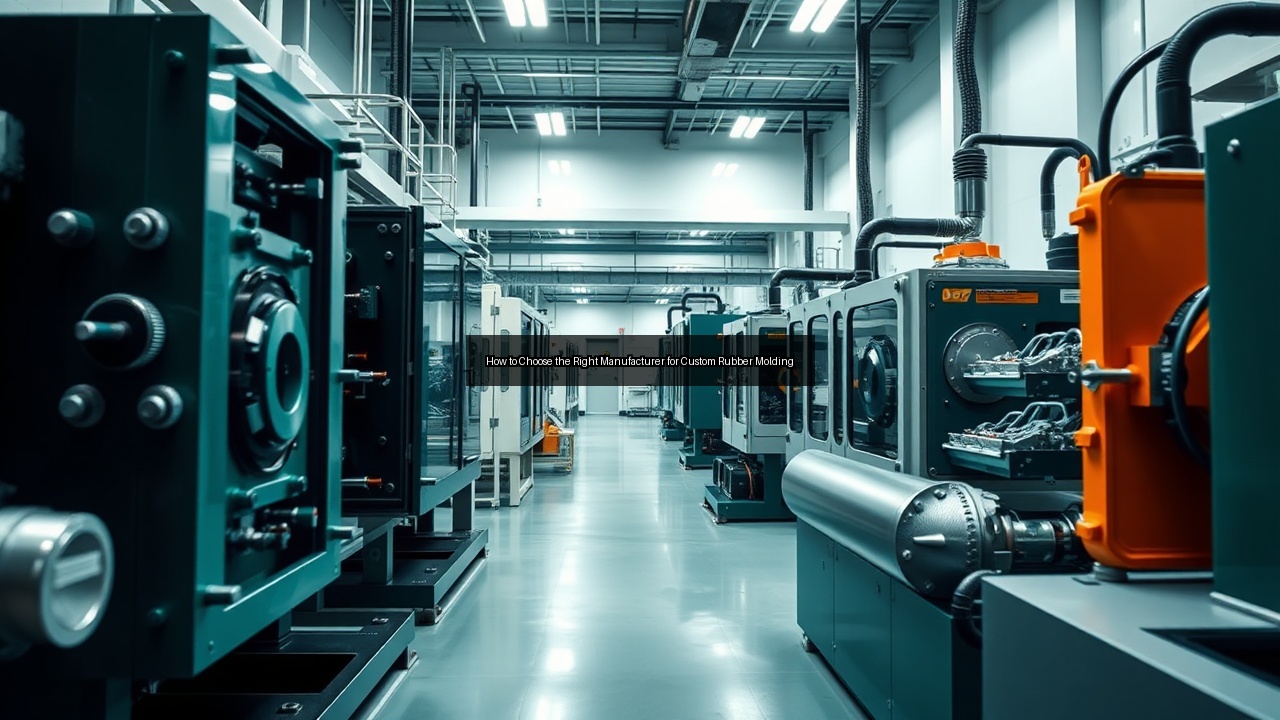
Understanding Custom Rubber Molding Techniques
Overview of Molding Processes
Custom rubber molding encompasses a variety of techniques designed to create precise rubber components tailored to specific applications. Understanding the different molding processes is crucial for selecting the right manufacturer. Each method offers unique advantages, from the speed of production to the intricacy of designs. Manufacturers use several techniques, such as injection molding, compression molding, and transfer molding, to cater to diverse customer needs. Knowledge of these processes enables better communication with manufacturers and helps ensure that the final product meets all specifications and tolerances required for the intended application.
Injection Molding vs. Compression Molding
Injection molding and compression molding stand out as two of the most prevalent methods in custom rubber molding. Injection molding involves injecting molten rubber into a mold under high pressure, allowing for complex shapes and fine details. This rubber custom molding method excels in high-volume production, making it ideal for automotive components like bumpers and gaskets. On the other hand, compression molding utilizes a pre-measured amount of rubber placed in an open mold, which is then closed and heated. This process works well for simpler designs and is often more cost-effective for smaller production runs. Understanding the differences between these two methods helps customers choose the right approach based on their design requirements and production volume.
Transfer Molding: A Closer Look
Transfer molding combines elements of both injection and compression molding. In this process, rubber is heated and then transferred into a mold cavity, where it undergoes curing. This technique allows for the production of intricate shapes while maintaining tighter tolerances, making it suitable for high-performance applications. Transfer molding is particularly useful in industries requiring precise measurements and robust materials, such as aerospace and medical devices. Understanding transfer molding’s unique capabilities enables customers to make informed decisions when selecting a manufacturer that can meet their specific needs.
Key Factors to Consider When Choosing a Manufacturer
Experience and Expertise in Rubber Manufacturing
When selecting a manufacturer for custom rubber molding, experience and expertise play a critical role. An established manufacturer not only understands the nuances of the rubber molding process but also possesses the knowledge necessary to handle complex designs and requirements. Look for manufacturers with a proven track record in producing similar components and a solid reputation in the industry. Their experience translates into enhanced efficiency and quality, minimizing the risk of costly errors. Engaging with manufacturers who demonstrate expertise in various rubber types, such as EPDM and silicone, will ensure they can meet diverse application needs while adhering to stringent tolerances.
Understanding Tolerances and Specifications
Rubber molding requires precise tolerances and specifications to deliver functional components that integrate seamlessly into larger systems. Discussing these parameters with potential manufacturers ensures they can meet your design requirements. Tolerances can significantly impact product performance, affecting everything from sealing capabilities in gaskets to the durability of automotive bushings. A reputable manufacturer will have robust processes in place to control and custom molding monitor these variables throughout the molding process. They should be willing to provide detailed information about their capabilities and past projects, giving customers confidence in their ability to deliver high-quality products.
Technological Capabilities and Equipment
The technological capabilities of a manufacturer directly influence the quality of the molded products. Advanced equipment can enhance production speed and precision, allowing for more complex designs and better material consistency. Manufacturers that invest in state-of-the-art technologies, including automated machines and computer-aided design (CAD) systems, can often provide superior results. Additionally, look for manufacturers that utilize clean room environments for sensitive applications, ensuring that contaminants do not compromise the integrity of the rubber components. Evaluating a manufacturer’s equipment and technological capabilities is essential for ensuring they can deliver products that meet your exact specifications.
Evaluating Manufacturer Quality and Compliance
ISO Certification and Quality Assurance
Quality assurance is a non-negotiable aspect of custom rubber molding. Manufacturers with ISO certification demonstrate a commitment to maintaining high standards throughout their production processes. This certification reflects adherence to international quality management systems, ensuring consistency and reliability in the products manufactured. When choosing a manufacturer, inquire about their quality control processes and certifications. A comprehensive quality assurance program should include regular inspections and testing to verify that each component meets the required specifications and tolerances. By selecting an ISO-certified manufacturer, customers can trust that they are partnering with a company dedicated to delivering quality products.
Inspection Processes and Testing Methods
A thorough inspection process is essential in custom rubber molding to ensure that products meet the necessary quality standards. Manufacturers should implement rigorous inspection protocols throughout the production cycle. This includes in-process inspections, final product testing, and adherence to specified tolerances. Testing methods may involve mechanical testing, temperature resistance assessments, and evaluations of material properties. The manufacturer’s willingness to share information about their inspection processes indicates transparency and confidence in their products. Customers benefit from this level of scrutiny, as it helps minimize defects and ensures the reliability of the final rubber components.
Material Selection: EPDM, Silicone, and Other Elastomers
Choosing the right materials is vital for the success of any custom rubber molding project. Different elastomers, such as EPDM and silicone, offer unique properties suited for specific applications. EPDM provides excellent weather resistance, making it a popular choice for automotive and outdoor applications. Silicone, known for its high-temperature stability and flexibility, is ideal for food packaging and medical applications. A knowledgeable manufacturer will guide customers in selecting the appropriate material based on their application requirements, environmental conditions, and performance expectations. Understanding material properties helps ensure the final products meet all functional and regulatory standards.
Applications and Industries for Custom Rubber Molding
Automotive Components: Bushings and Gaskets
Custom rubber molding finds extensive applications in the automotive industry, particularly for components like bushings and gaskets. Rubber bushings play a crucial role in isolating vibrations and providing cushioning, enhancing ride quality and vehicle performance. Gaskets, on the other hand, ensure airtight and watertight seals, preventing leaks and maintaining structural integrity. Selecting the right manufacturer for these components requires expertise in producing high-quality rubber parts with precise tolerances. A manufacturer experienced in automotive applications understands the critical nature of these components and can deliver reliable solutions that withstand harsh conditions and extend the lifespan of vehicles.
Food Packaging Solutions
The food industry demands strict compliance with health and safety standards, making custom rubber molding essential for creating reliable packaging solutions. Rubber components used in food packaging must meet specific regulations regarding material safety and hygiene. Manufacturers specializing in food-grade rubber molding utilize materials like silicone that resist contamination and provide excellent sealing properties. Understanding the unique requirements of food packaging allows manufacturers to develop innovative solutions that enhance shelf life and maintain product freshness. Selecting a manufacturer with experience in food packaging ensures that the final products comply with necessary standards while delivering optimal performance.
Vibration and Noise Dampening with Rubber Shapes
Custom rubber molding plays a pivotal role in creating components designed for vibration and noise dampening. Industries such as construction, automotive, and electronics benefit from rubber shapes that absorb vibrations and reduce noise levels. By employing various rubber formulations and designs, manufacturers can produce solutions tailored to specific noise reduction requirements. Components such as grommets, bumpers, and seals serve to minimize vibrations and enhance user comfort. Evaluating a manufacturer’s experience in producing these specific applications ensures customers receive effective solutions that improve the overall performance and user experience of their products.
See Also
- Tips for Effective Collaboration with Custom Rubber Molding Experts
- Innovative Custom Rubber Molding for Extreme Temperature Applications
- The Impact of Clean Room Standards on Custom Rubber Molding
- How Custom Rubber Grommets Enhance Product Performance
- The Future of Custom Rubber Molding Innovations and Technologies